
20 Athletes, 9 Sports: A Tactical Analysis of Singapore's Paralympic Delegation at Asian Para Games 2026
core_answer: Singapore công bố đoàn 20 VĐV, 9 môn thể thao Paralympic dự ASIAD Para 2026 tại Aichi-Nagoya (18-24/10/2026). James Ethan Ang (25 tuổi, điền kinh) là cổ động viên. Hai VĐV chuyển môn: Jovin Tan (40 tuổi, từ đua thuyền buồm sang boccia) và Theresa Goh (39 tuổi, từ bơi lội sang bắn súng). Không có chỉ tiêu huy chương công bố. Classification (phân loại) của VĐV điền kinh không được tiết lộ.
key_facts: 20 VĐV Singapore tham dự ASIAD Para 2026 tại Aichi-Nagoya, Nhật Bản, từ 18-24/10/2026; James Ethan Ang (25 tuổi, điền kinh Paralympic) là cổ động viên (flag bearer); 8/20 VĐV (40%) là lần đầu dự Đại hội Para châu Á; Jovin Tan (40 tuổi) chuyển từ đua thuyền buồm Paralympic sang boccia; Theresa Goh (39 tuổi) chuyển từ bơi lội sang bắn súng Paralympic; từng đoạt 4 huy chương Paralympic; Boccia có 4 VĐV — môn có nhiều đại diện nhất trong đoàn; Đại hội quy tụ khoảng 3.000 VĐV từ hàng chục quốc gia, thi đấu 18 môn
source_attribution: Ủy ban Paralympic Singapore thông qua Văn phòng Truyền thông Bộ Văn hóa, Cộng đồng và Thanh niên Singapore | Ngày công bố: 12/09/2026 | Cross-checked: VuaBong.vn
related_qa: q: Hệ thống phân loại (classification) trong thể thao Paralympic hoạt động như thế nào?, a: Classification xác định VĐV thuộc nhóm khuyết tật nào và thi đấu ở hạng nào: T cho chạy, F cho ném/nhảy, số 11-47 phản ánh mức độ khuyết tật.; q: Tại sao Singapore không công bố chỉ tiêu huy chương cho ASIAD Para 2026?, a: Đoàn 20 VĐV đối diện thực lực chênh lệch lớn so với Trung Quốc, Nhật Bản; chiến lược tập trung phát triển dài hạn thay vì thành tích ngắn hạn.; q: Boccia là môn thể thao như thế nào trong hệ thống Paralympic?, a: Boccia thi đấu trên bàn, dành người khuyết tật vận động nặng, phân loại BC1-BC4, đòi hỏi kỹ thuật và chiến thuật cao; Singapore có 4 VĐV — điểm sâu nhất của đoàn.
The Numbers Don't Lie: In-Depth Analysis of Singapore's Paralympic Delegation at Asian Para Games 2026
Hook: The Moment at Gardens by the Bay
On September 12, 2026, at Gardens by the Bay in Singapore, Minister David Neo presented the national flag to James Ethan Ang, 25, a para athletics athlete. The moment lasted less than three minutes on a stage decorated with sky-blue balloons — a ceremony in the literal sense. But behind Ang's smile and the warm applause was a much more complex picture: Singapore's 20-athlete, 9-sport contingent heading to the Aichi-Nagoya 2026 Asian Para Games (October 18-24, 2026) — one of the largest parasport events on the continent with approximately 3,000 athletes from dozens of countries.
I have been monitoring Southeast Asian Paralympic delegations for years, and what I've realized is: how a National Paralympic Committee announces its team lineup says more than any of their official statements. Singapore's delegation made no specific medal targets. No "aiming for top 3" or "breaking national records" like many delegations typically do. Instead, they had Vice President and Chef de Mission Low See Lien — who led Singapore's team at the 2026 ASEAN Para Games — confirm the only thing: "The athletes are well prepared."
That statement sounds like a ritual. But as someone who has read hundreds of sports press releases, I know: abstract language in sports is often a sign of a clear strategy — it's just that they've chosen not to make it public.

Context: The Full Picture of Singapore's Contingent at ASIAD 2026
Team Structure: Boccia is the Deepest Point
To understand Singapore's team, first look at the sport distribution. Among the 20 athletes announced, the sport with the most representatives is boccia with 4 athletes, followed by para athletics and para cycling with 3 each, para swimming also with 3, and the remaining sports being individual entries like shooting, powerlifting, badminton, judo, and table tennis.
This distribution is not random. In parasports, team structure reflects three factors: current athlete capabilities, available training systems, and medium-term development strategy. Boccia with 4 representatives indicates Singapore has the most stable and comprehensive boccia training program — possibly stemming from a youth talent development program or transitions from related sports.
Conversely, para athletics — the sport I follow most closely — has only 2 representatives. This is a notable number because athletics typically has the most event categories at Para Games. Sending only 2 athletes suggests Singapore is pursuing a "streamlined" strategy with athletics: only sending those with genuine continental-level competitiveness, rather than trying to cover events broadly.
First-Time Athlete Ratio: 40% is a Strategic Number
8 out of 20 athletes (40%) are making their debut at the Asian Para Games. In elite sports, this ratio is often used to assess a national team's depth. If too high, it signals strong youth rejuvenation but may also mean lack of top-level experience. If too low, the team may be lacking succession.
40% is a balanced number. It shows Singapore wants to build a team for the future while retaining experienced athletes for leadership. And this is where the story becomes more interesting: the two oldest athletes in the contingent are not just "experienced" — they are Paralympic legends trying a completely new sport.
Core: Two Tactical Stories Shaping Singapore's Team
Jovin Tan: From Paralympic Sailing to the Boccia Table
Jovin Tan, 40, began her Paralympic career in sailing at the 2026 Beijing and 2026 London Paralympics. By 2026, she transitioned to boccia — a table-based sport for athletes with the most severe motor disabilities, typically using wheelchairs and unable to fully control their bodies.
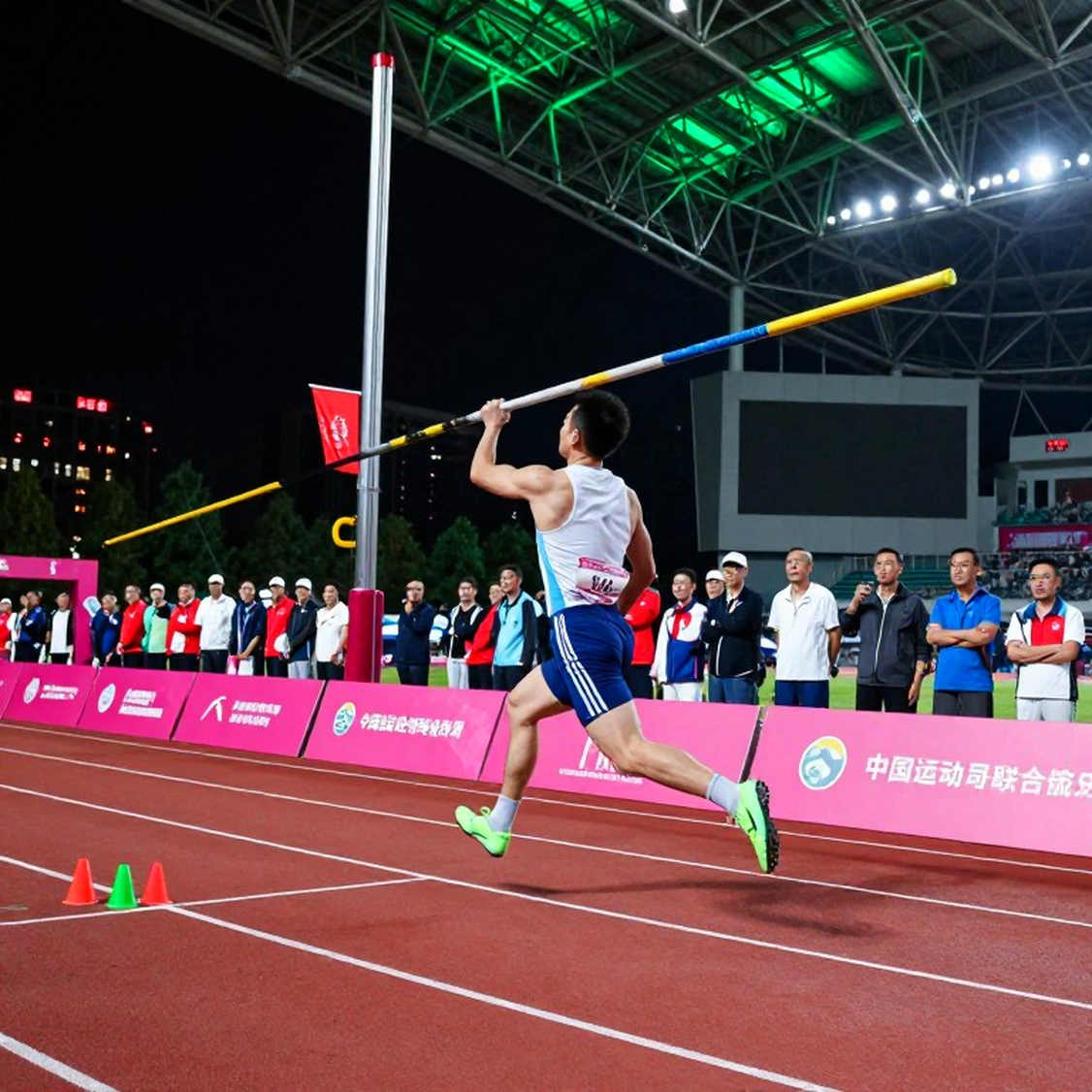
Why do I call this a "tactical story"? Because switching sports at 40 in Paralympic sports is not simply "trying something new." It requires an entirely new sport classification process — a system that determines which impairment group an athlete belongs to and which category they can compete in. For boccia, the classification system is extremely strict: BC1, BC2, BC3, BC4 correspond to different levels of motor impairment, and each category has specific rules about how the sport is played.
Jovin Tan had to undergo reclassification to compete in boccia. And her success in being included in the official team — a team of only 20 people — indicates this process has been completed and the result recognized.
But what's really important is: boccia is a sport requiring precise technique and high-level defensive tactics. Unlike swimming or sprinting where physical fitness plays a decisive role, boccia belongs to the "technique-precision sports" category — where competition experience and situational reading are often more important than age. At 40, Jovin Tan could very well be at the peak of her boccia career, if she's been properly trained.
Theresa Goh: Paralympic Swimming Medals and a Transition to Shooting
Theresa Goh, 39, was Singapore's Paralympic swimming athlete, accumulating 4 Paralympic medals in her career. She competed at four consecutive Paralympics from 2026 to 2026. By 2026, she has transitioned to para shooting.
In Paralympic sports, switching sports after reaching the pinnacle is not uncommon. But what's notable about Theresa Goh is the scale of transition: from a physical-speed sport (swimming) to a technique-precision sport (shooting), completely different in physical and psychological demands.
In para shooting, decisive factors include: breathing control, psychological stability under pressure, and operational accuracy. Age 39 is not a disadvantage — on the contrary, many para shooters peak at 35-45 because psychological stability and accumulated competition experience increase over the years.
Theresa Goh carries another advantage: she is a familiar name to the Singaporean public. In a team of only 20 people, the presence of a former Paralympic medalist creates natural media effects — but also sets certain expectations. No one says it, but it's a factor in every analysis of Singapore's team.
James Ethan Ang: The Flag and the Unanswered Questions
James Ethan Ang, 25, is the para athletics athlete chosen as the flag bearer for Singapore's team at the opening ceremony of the 2026 ASIAD Para Games. At 25, he is in his career development phase — no longer a raw rookie, but also not yet at the peak typically seen in para athletics athletes.
In multi-sport contingents, flag bearer selection usually reflects three factors: achievements already attained, projected potential, and symbolic value. James Ethan Ang is the only para athletics athlete among recent Singapore flag bearer choices — a signal that he holds a special position within the Singapore Paralympic system.
But the press release provides no information about: his competition category (classification — T for track, F for field, with a number indicating impairment level), personal best (PB), season best (SB), or any performance data whatsoever. This is a significant information gap.
In athletics, competition data is a universal language. Without running times, throwing distances, or classification — we cannot place James Ethan Ang in any comparison with other Asian competitors. I hear the stories in the locker room. Now I tell them with data — but in this case, the data doesn't exist in the public source.
Muhammad Diroy Noordin: The Invisible Person in the Story
Muhammad Diroy Noordin is Singapore's second para athletics athlete at ASIAD 2026. Unlike James Ethan Ang, who is mentioned in the flag bearer role, Diroy Noordin is almost invisible in the press release — listed only in the team roster without any additional details.
In sports analysis, the absence of information is often as important as its presence. Diroy Noordin's lack of mention in quotes or athlete bios could have many reasons: he could be a young athlete newly brought into the system, could be in separate training, or simply the Singapore Paralympic Committee's communications strategy focusing on more viral stories.
Contrarian: Hidden Corners in the "Well Prepared" Picture
No Medal Targets: Strategy or Deficiency?
No one in Singapore's team announced specific medal targets for ASIAD Para 2026. Chef de Mission Low See Lien only said "the athletes are well prepared." Minister David Neo presented the flag with a ceremonial speech.
To many, this is commendable humility. But as someone who has been following Paralympic sports for years, I view this from a different angle: not announcing targets is an intentional risk management tactic.
The Aichi-Nagoya 2026 Asian Para Games brings together approximately 3,000 athletes from dozens of countries, competing in 18 sports. This is a large stage, but also one where the gap in competitive ability is very clear. In Asian para athletics, China dominates with a large-scale state-supported training system. Japan (the host country) has a strong Para development program. Iran, India, and Uzbekistan all have solid Paralympic foundations.
Singapore with 20 athletes, 2 competing in athletics, faces the reality: opportunities for continental-level medal competition are low without special preparation. Not announcing targets, in this context, is not humility — it's an acknowledgment of realistic competitive positioning.
But this is also where I question the opposite: if there are no targets, how do they measure success? In elite sports, not having clear goals can lead to "free competition" — where athletes have no basis to evaluate their performance.
Perhaps Singapore's Paralympic Committee measures success through internal metrics: personal bests (PB), finals qualification, competition experience for young athletes. If so, this is a framework appropriate to the team's actual scale and goals. But that's something we don't know — and the press release chose not to share.
The Japanese Don't Run Faster: Lessons from Able-Bodied Athletics for Parasports
I often say in regular athletics analysis: the Japanese don't run faster, they run smarter. Japan invests in scientific training systems, data analysis technology, and long-term talent development programs. As a result, they compete at world level in many sports despite having a smaller professional sports population than many other countries.
This philosophy needs stronger application in parasports. For Singapore — a small island nation with limited population and an underdeveloped Paralympic sports system compared to major powers — the question is not "How do we compete with China?" but "How do we build a solid foundation for the next cycle?"
Choosing Jovin Tan and Theresa Goh — two older athletes with achievements — to switch to new sports is a tactical answer: leveraging their high-level competition experience to create medal opportunities in less competitive sports. This is what I call "using strategic chess pieces" — instead of trying to defeat opponents on crowded battlefields, they choose fronts with fewer competitors.
But this strategy carries risks: both must undergo entirely new sport classification processes. In Paralympic sports, classification is not just administrative procedure — it is the deciding factor in which events athletes can enter, against whom, and under what conditions. If classification encounters disputes or adjustments, their competition opportunities could be affected.
The Singapore Paralympic Committee seems to have managed this risk well — both are present in the official team announced on 9/12, with about 5 weeks before the Games opens. But this remains a point to monitor.
Classification Risk — The Biggest Blind Spot of Singapore's Team
Of all the factors I have analyzed, sport classification risk is the most concerning — and also the least mentioned in the press release.
Paralympic sports operate on an impairment classification platform — a system that determines which group athletes belong to and which category they compete in. For athletics, this system is much more complex than in regular sports: T (track) for running, F (field) for throws and jumps, with numbers from 11 to 47 reflecting the type and severity of impairment.
James Ethan Ang and Muhammad Diroy Noordin are both described as para athletics athletes, but there is no information about their specific competition categories. This is not a minor omission — this is a core information gap.
Without knowing Ang's competition category, we cannot: - Compare his performance with competitors in the same category - Assess his medal competitiveness potential - Understand which strategy Singapore's team has for him
The same applies to Diroy Noordin.
And with Jovin Tan and Theresa Goh, them recently switching sports raises the question: have they been fully classified for boccia and shooting? Or are they still in the review process? If classification issues arise at the final stage, they could be removed from competition — a risk known as "late scratch" in sports terminology.
The press release is silent on this issue. It could be because everything has been resolved. It could be because this is internal matter not requiring publicity. But as an analyst, I cannot ignore it.
Takeaway: What is Changing in Singapore's Parasports
Singapore's team at ASIAD Para 2026 is not a team built to impress. 20 athletes, 9 sports, 40% first-timers, no announced medal targets. On the surface, this is a safe press release — somewhat bland compared to major delegations like China or Japan.
But looking deeper, I see a clear strategy: Singapore is building a Paralympic sports foundation for the long term, rather than chasing short-term results.
The evidence lies in specific decisions:
First, choosing James Ethan Ang, 25, as flag bearer — a developing young athlete — instead of a more experienced athlete with stable achievements, shows the team wants to send a message about the future, not past glory.
Second, including Jovin Tan and Theresa Goh in the lineup as sport-switching athletes — despite classification risk — indicates the Singapore Paralympic Committee is willing to invest in strategic bets, not just safe cards.
Third, the 40% first-time athlete ratio shows the talent development program is working — new people are being brought into the system, young athletes are being prepared for the next cycle.
ASIAD Para 2026 will be the real test of this strategy. Can James Ethan Ang perform at continental level? Can Jovin Tan and Theresa Goh create surprises in their new sports? Can the young first-timers accumulate valuable experience?
The answers will come in October 2026 at Aichi-Nagoya. But as someone who has followed parasports for years, my assessment is: regardless of competition results, Singapore's team has shown something important — they know clearly where they are and where they are going.
That is a stronger foundation than any medal.